
Single or Multi-Church Consultation Reports
Consultation reports help leaders understand church health, compare results, and identify practical next steps for improvement.
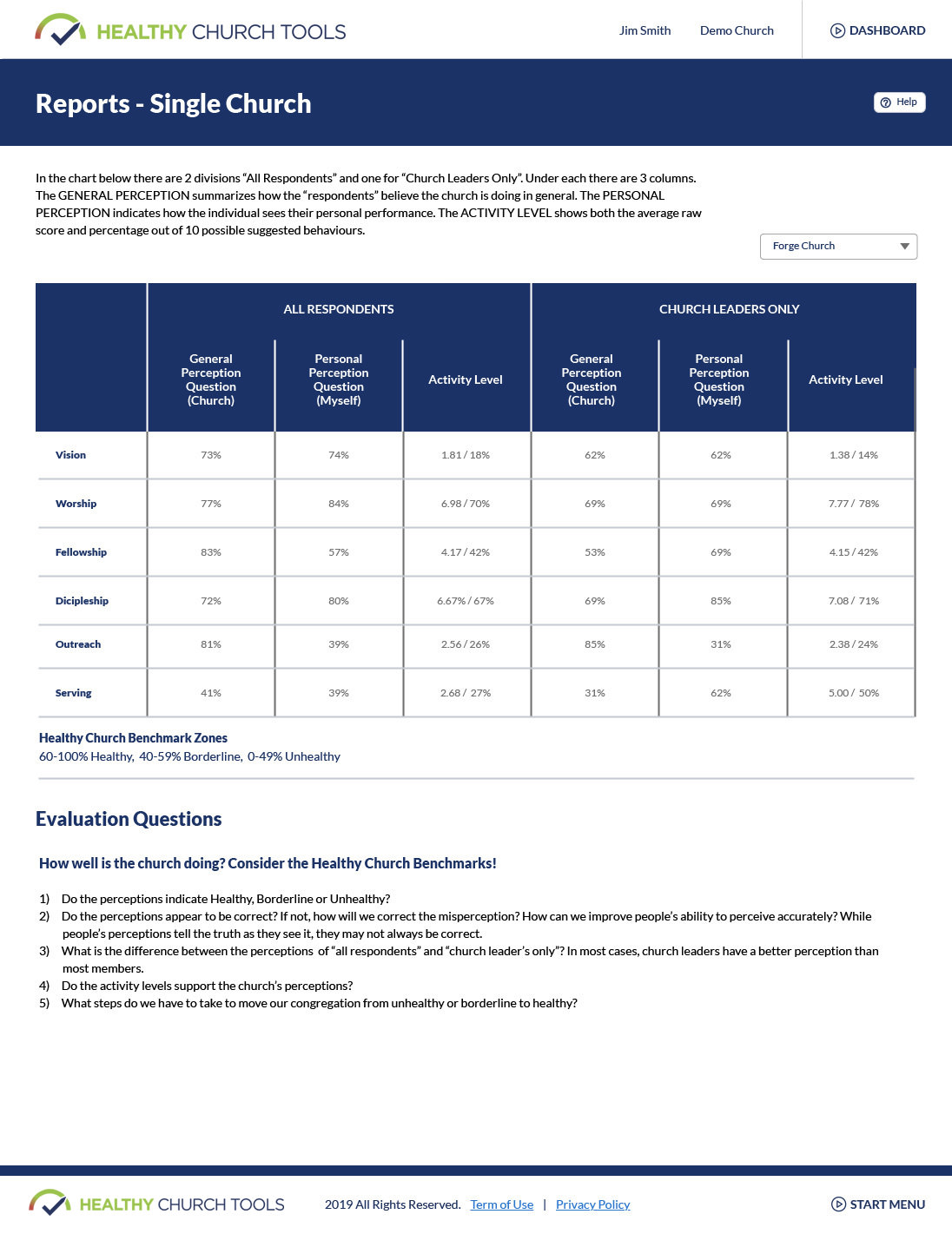
Single Church Consultation Reports
Single church reports provide a comprehensive view of one church’s key statistics, measurements, and ministry indicators.
These reports help consultants guide church leaders through what the data is showing, where attention may be needed, and what next steps could strengthen ministry health.
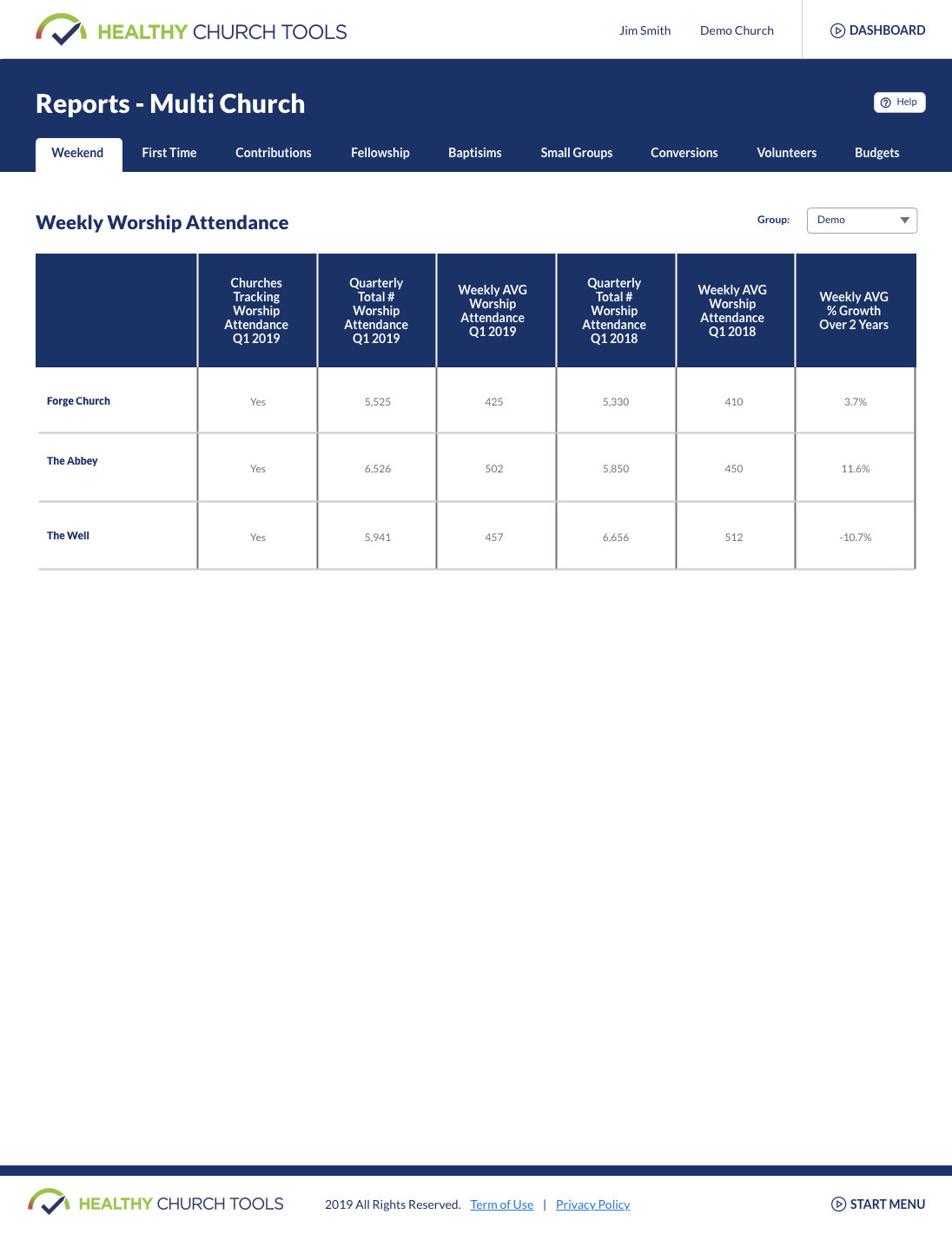
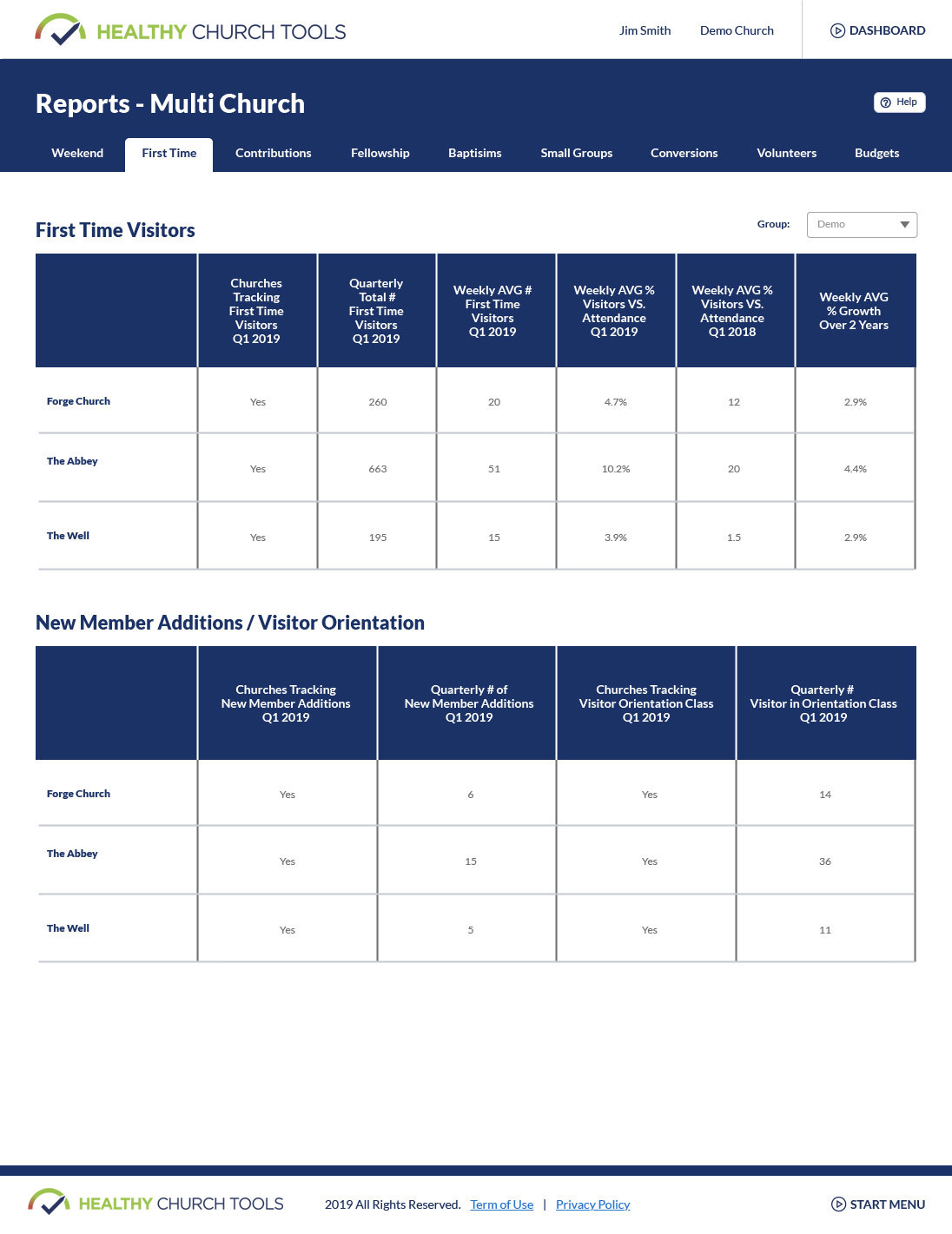
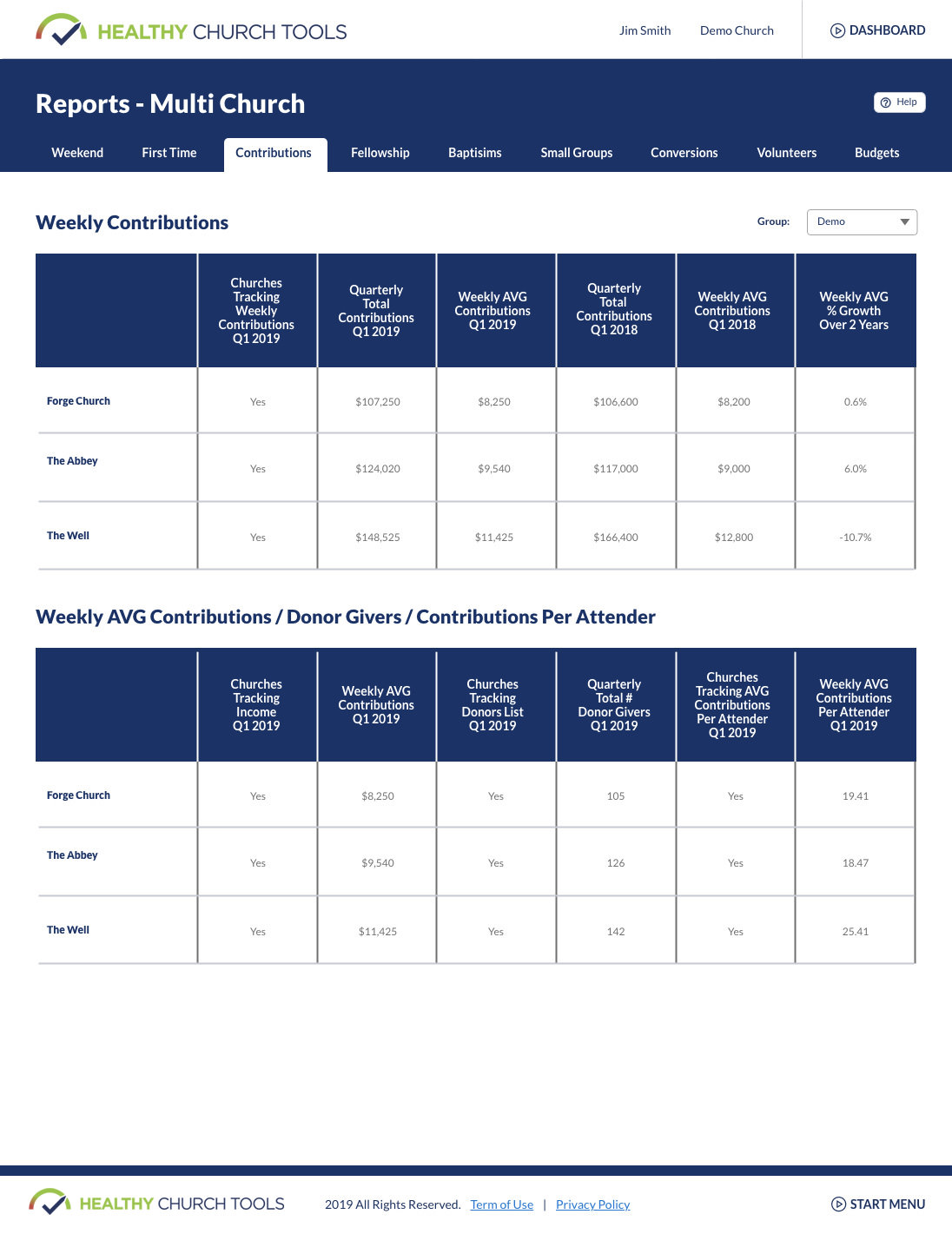
Multiple Church Consultation Reports
Multiple church reports allow consultants and denominational or network leaders to compare key statistics across a group of churches.
These comparisons help identify churches that are excelling in certain areas, churches that may need support, and opportunities for practical coaching or peer-to-peer learning.
Report Format
Consultation reports are designed to make key information easier to understand and discuss. They may include profile data, ministry measurements, comparative statistics, trends, and practical observations.
The goal is not simply to compare churches, but to help leaders interpret the results and use those insights to support healthier ministry decisions.
Statistical Measurement Areas
Vision and Strategic Reviews
Leadership Survey, Healthy Church Survey, Cultural Relevance, Organizational Chart, Strategic Plan, Clear Written Objectives
Worship Measurements
Attendance, First Time Visitors, Contributions
Fellowship Measurements
Ministry Teams, Care Receivers, Programs Tracked
Discipleship Measurements
Baptisms, Testimony Preparations, Number of Small Groups, and Participation
Outreach Measurements
Conversions, Outreach Lists, People Contacted, Outreach Events
Serving Measurements
Total Volunteers, Ministry Roles, Training Participation, Spiritual Gift Assessment
Designed for Coaching and Practical Follow-Up
Healthy Church Tools consultation reports are designed to support coaching, not simply reporting.
For denominations, districts, associations, and networks, they provide a practical way to support churches with clearer information, stronger conversations, and meaningful peer-learning opportunities.